
Typical Flower Model
.png)
Product Code : SCL-SFLO-12227
The Typical Flower Model is a longitudinal section educational model used for teaching the internal and external parts of a typical flower, including the calyx, corolla, androecium, stamens, and ovule. It is designed for schools, colleges, biology laboratories, botany lessons, and classroom demonstrations on plant reproduction.
Product Data
|
Product Name |
Typical Flower Model |
|
Brand |
School Equipments |
|
Product Category |
Biology Lab Equipment / Botany Teaching Models / Plant Reproduction Models |
|
Intended Users |
Schools, colleges, biology teachers, botany laboratories, STEM learning centres, and educational distributors |
|
Standards or Certifications |
No certification claimed. Intended for educational demonstration use only. |
|
Primary Keyword |
Typical Flower Model |
|
Secondary Keywords |
flower model for school, botany teaching model, plant reproduction model, flower anatomy model, calyx corolla androecium model, biology teaching aid, school biology model, flower parts model |
Product Description
The Typical Flower Model helps students understand flower anatomy through a clear longitudinal section view. It shows important floral structures, including the calyx, corolla, androecium, stamens, and ovule, so teachers can explain plant reproduction with a visible classroom reference.
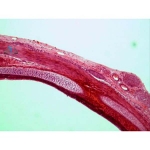
This biology teaching model is useful when students need to connect textbook diagrams with a three-dimensional demonstration aid. It can be used with biology lab equipment, material cycles and energy teaching resources, flower longitudinal section prepared slides, and plant science teaching aids for complete botany instruction.
Key Features
- Longitudinal section model for explaining typical flower structure.
- Shows floral parts such as calyx, corolla, androecium, stamens, and ovule.
- Useful for teaching plant reproduction, pollination, and flower anatomy.
- Supports classroom demonstration, student observation, and diagram comparison.
- Suitable for schools, colleges, biology labs, botany lessons, and STEM classrooms.
- Reusable teaching aid for visual and inquiry-based learning.
- Material, dimensions, weight, and detachable-part details should be confirmed before final catalogue publication.
Technical Specifications
|
Specification |
Detail |
|
Product Type |
Typical flower educational model |
|
Product Code |
EL-MCE-10538 |
|
Capacity / Configuration |
Non-volumetric longitudinal section teaching model |
|
Subject Area |
Biology, botany, plant reproduction, and flower anatomy |
|
Structures Demonstrated |
Calyx, corolla, androecium, stamens, ovule, and typical flower parts |
|
Certification |
No certification claimed |
What's Included in the Kit
- 1 Typical Flower Model
- Base, labels, chart, or instruction manual
- Protective packaging for classroom and laboratory handling
Applications / Uses
- Teaching the structure of a typical flower in school biology classes.
- Explaining the functions of sepals, petals, stamens, and ovules.
- Demonstrating plant reproduction and the role of male and female floral parts.
- Helping students compare a physical model with textbook flower diagrams.
- Supporting botany practicals, plant science lessons, and STEM demonstrations.
- Using with prepared microscope slides and STEM lab kits for integrated plant science learning.
How to Use the Typical Flower Model
- Place the model on a stable classroom table or laboratory bench.
- Begin by identifying the outer floral parts, including the calyx and corolla.
- Point out the androecium and explain the role of stamens in pollen production.
- Show the ovule and explain its role in seed formation after fertilisation.
- Use the longitudinal section to explain how internal flower parts are arranged.
- Ask students to label each part and describe its function in plant reproduction.
Handle the model carefully. Do not drop, bend, scratch, or expose it to heat, moisture, or rough handling during classroom use.
Care & Maintenance
- Clean the model gently with a soft, dry cloth after use.
- Store it in a covered cabinet to protect it from dust and accidental damage.
- Avoid abrasive cleaners, strong solvents, and prolonged direct sunlight.
- Keep any labels, detachable parts, or accessories together if supplied.
Why Choose School Equipments
School Equipments supplies biology teaching aids, botany models, laboratory instruments, science kits, mathematics kits, and STEM learning products for educational institutions. The brand supports schools, colleges, laboratories, and distributors with products designed for practical classroom science education.
The company’s product range covers biology, physics, chemistry, mathematics, primary science, and general laboratory learning. Buyers can review the educational lab equipment range and the School Equipments company profile for institutional supply information.
Frequently Asked Questions
What is a Typical Flower Model used for?
A Typical Flower Model is used to teach the structure and function of flower parts, including calyx, corolla, stamens, and ovule. It helps students understand plant reproduction through visual demonstration.
Is this model suitable for school biology labs?
Yes. The model is suitable for schools, colleges, biology laboratories, botany lessons, plant science classrooms, and teacher-led demonstrations.
Does the model show the internal parts of a flower?
Yes. The model is described as a longitudinal section that shows detailed parts of a typical flower, including reproductive structures such as stamens and ovule.
Can this model be used to teach pollination?
Yes. Teachers can use the model to explain the location and function of flower parts involved in pollination, fertilisation, and seed formation.
What material is the Typical Flower Model made from?
The material is currently listed as [confirm]. It should be verified before publishing the final catalogue page.
Is this a live plant specimen or a teaching model?
This is an educational teaching model, not a live specimen. It is intended for repeated classroom demonstration and student observation.
For botany lessons, plant reproduction demonstrations, and school biology labs, choose the Typical Flower Model from School Equipments and browse more biology teaching models.
Image ALT Text Suggestions
- Typical Flower Model longitudinal section for school biology lab demonstration
- Flower anatomy model showing calyx corolla stamens and ovule
- School Equipments botany teaching model for plant reproduction lessons
- Typical flower parts model for biology and botany education


 (1).png)
.jpg)
.jpg)

.jpg)